Beginner Tips for Backyard Birdwatching: Enjoy Nature at Home
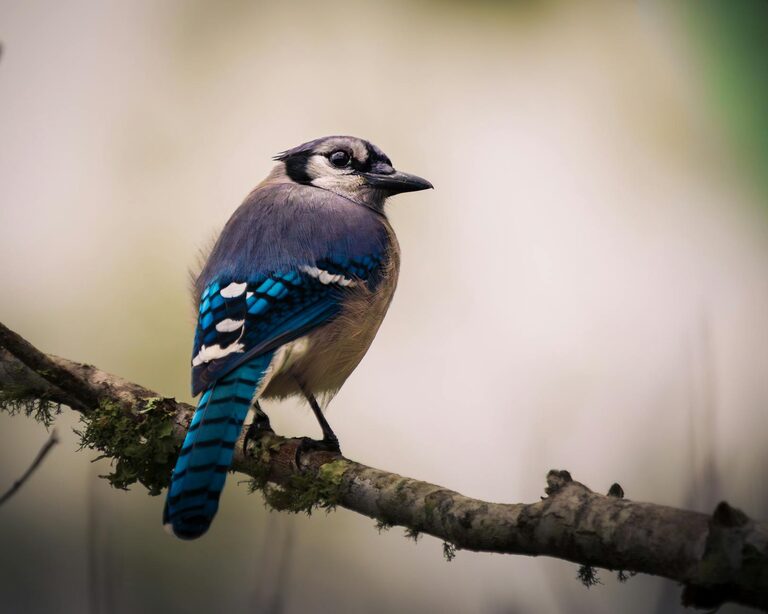
Birdwatching is a rewarding and relaxing hobby that lets you connect with nature without leaving your home. If you have a backyard or even a balcony, you can create a welcoming space for birds and enjoy their beauty throughout the year. Whether you’re a complete beginner or just looking to sharpen your skills, this guide offers practical tips to help you start backyard birdwatching with confidence.
Why Backyard Birdwatching?
Watching birds in your own backyard offers numerous benefits. It requires no special equipment beyond a pair of binoculars and a field guide or app. It’s also a great way to learn about local wildlife and improve your observation skills. Plus, providing food and water helps support birds during challenging seasons.
Getting Started: What You Need
1. A Bird Feeder and Bird Food
Providing food is one of the easiest ways to attract birds. Different birds prefer different foods:
– Seeds: Black oil sunflower seeds appeal to a wide variety of birds.
– Nyjer seed: Perfect for finches and smaller birds.
– Suet: Attracts woodpeckers, chickadees, and nuthatches.
– Fruit: Oranges, apples, and berries can attract mockingbirds and orioles.
Choose a feeder style based on the species you want to attract—tube feeders for small seed-eaters, platform feeders for larger birds, or suet cages for insect-eaters.
2. Water Source
Birds need water for drinking and bathing. A birdbath or shallow dish placed in a visible spot will attract many species. Keep the water clean and fresh, and consider adding a small fountain or dripper to provide moving water, which birds prefer.
3. Binoculars and Field Guides
A basic pair of binoculars makes it easier to see details from a distance. Field guides or mobile bird identification apps help you learn to recognize the birds visiting your yard by their shape, color, and behavior.
Creating a Bird-Friendly Backyard
1. Provide Shelter
Birds look for safe places to hide from predators and bad weather. Shrubs, trees, and dense plants offer good cover. Native plants are especially beneficial as they also attract the insects birds feed on.
2. Avoid Pesticides
Chemical pesticides can harm birds and reduce their natural food supply. Encourage a healthy garden environment by using natural pest control methods.
3. Add Nesting Boxes
If you know which local species might nest in your area, putting up nesting boxes can encourage birds to stay longer. Make sure they are placed at the right height and direction for each species.
Tips for Successful Birdwatching
1. Be Patient and Observant
Birdwatching requires patience. Sit quietly and watch carefully, preferably during early morning or late afternoon when birds are most active.
2. Keep a Bird Journal
Recording the species you see, along with date and behavior, enhances your enjoyment and helps track local bird populations.
3. Learn Bird Calls
Many birds are easier to identify by sound than sight. Listening to recorded bird calls online or via apps can improve your identification skills.
4. Use a Camera for Close-ups
If you enjoy photography, a camera with a zoom lens allows you to capture detailed images without disturbing the birds.
Common Backyard Birds to Look For
Depending on where you live, typical backyard birds may include:
– Sparrows
– Cardinals
– Blue Jays
– Robins
– Chickadees
– Finches
– Woodpeckers
– Wrens
Familiarize yourself with a few common species first; over time, your birdwatching list will grow.
Safety and Ethics
Always observe birds from a distance and avoid disturbing nests or feeding areas. Avoid feeding bread or processed human foods, as these can be harmful to birds.
Conclusion
Backyard birdwatching is a delightful way to spend time outdoors and connect with nature. By providing food, water, shelter, and a little patience, you can create a vibrant habitat right outside your door. Happy birdwatching!
—
If you enjoyed this post, consider subscribing for more nature and wildlife tips. Feel free to share your own birdwatching tips and experiences in the comments below!