How to Plan Delicious Meals Using Pantry Staples
When it comes to meal planning, pantry staples can be your best friend. They allow you to prepare nutritious and delicious meals without last-minute trips to the grocery store. Whether you’re aiming to save money, reduce food waste, or just simplify your cooking routine, planning meals from items you already have on hand is a smart strategy.
In this post, we’ll walk you through effective ways to organize, plan, and cook meals using your pantry essentials.
Why Focus on Pantry Staples?
Pantry staples are non-perishable ingredients you keep in your kitchen for everyday cooking. Common examples include canned goods, dried grains, pasta, rice, beans, spices, and oils. These items form the foundation of countless recipes, making them invaluable when fresh ingredients are limited or when you need a quick meal.
Using pantry staples:
– Saves money by reducing last-minute shopping.
– Cuts down on food waste by using what you already have.
– Increases cooking creativity and flexibility.
Step 1: Take Inventory of Your Pantry
Before planning meals, start by knowing exactly what you have.
How to Take Inventory
– Empty your pantry shelves and group items by type (grains, canned goods, spices, baking supplies).
– Check expiration dates to prioritize using older items first.
– Note quantities so you can plan meals around available amounts.
– Make a list or spreadsheet for easy reference.
This inventory process helps prevent duplicate purchases and inspires ideas for meals based on what’s available.
Step 2: Identify Meal Components
Every balanced meal typically includes:
– Protein: Beans, lentils, canned tuna, nuts, seeds
– Carbohydrates: Rice, pasta, quinoa, flour
– Vegetables: Canned tomatoes, dried mushrooms, frozen veggies (if available)
– Fats & Oils: Olive oil, butter, coconut oil
– Flavorings: Spices, herbs, salt, pepper, broths
By categorizing your staples into these groups, you can mix and match ingredients to create a variety of dishes.
Step 3: Choose Your Cooking Methods
Pantry staples are versatile and can be cooked using different methods:
– Boiling or Simmering: For pasta, rice, beans, or soups.
– Baking: Particularly for casseroles or baked pasta dishes.
– Sautéing: Using oil and spices to build flavor.
– Slow Cooking: Excellent for dried beans or stews.
Knowing how best to cook certain staples helps plan realistic meals that fit your time and equipment.
Step 4: Plan Meals Around Pantry Staples
Use your inventory list as a base to create a simple weekly meal plan.
Meal Ideas Using Common Pantry Staples
– Rice and Beans Bowl: Combine cooked rice with canned beans, diced canned tomatoes, spices, and any fresh or frozen vegetables.
– Pasta with Tomato Sauce: Use canned tomatoes, garlic powder, olive oil, and italian herbs for a quick sauce.
– Chickpea Curry: Simmer canned chickpeas with coconut milk (canned or powdered), curry powder, and canned tomatoes.
– Lentil Soup: Cook lentils with vegetable broth, canned carrots, onions, and seasonings.
– Tuna Salad: Mix canned tuna with mayonnaise or olive oil, canned corn, and dried herbs, served over rice or bread.
These ideas rely largely on pantry items and can be customized with whatever other ingredients you have.
Step 5: Use Spices and Herbs to Elevate Flavor
Don’t underestimate the power of seasonings! Even simple combinations can transform basic ingredients into dishes with depth and variety.
– Mix cumin, paprika, and chili powder for a Mexican-inspired dish.
– Use dried Italian herbs, basil, and oregano to create Mediterranean flavors.
– Incorporate curry powder, turmeric, and coriander for Indian-style meals.
Always taste as you cook and adjust seasonings accordingly.
Step 6: Supplement with Fresh or Frozen Ingredients
If possible, add fresh or frozen vegetables, herbs, or proteins to balance flavors and nutrition. For example, fresh garlic or onion can add aroma, while frozen spinach can boost vitamins. However, many pantry staple meals can stand on their own when needed.
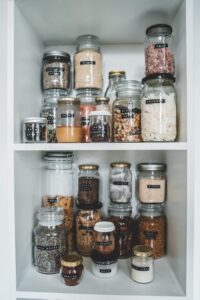
Step 7: Organize Your Pantry for Easy Access
To encourage pantry cooking long-term, keep your staples well organized:
– Use clear containers or labeled bins.
– Group items by category.
– Keep frequently used items at eye level.
– Rotate stock to use older items first.
A tidy pantry makes meal planning and cooking much faster and more enjoyable.
Additional Tips for Pantry Meal Planning
– Batch cooking: Prepare larger quantities to store for later meals.
– Try new recipes: Use pantry staples to experiment with dishes from different cuisines.
– Make homemade snacks: Use pantry items for trail mix, granola, or baked goods.
– Track what you use: Update your inventory regularly to stay stocked.
Final Thoughts
Planning meals from pantry staples is a practical way to eat well, save money, and reduce food waste. With a little organization and some creative thinking, you can transform simple ingredients into satisfying dishes any day of the week.
Next time you’re planning meals, start with your pantry and discover the versatility of these kitchen essentials. Happy cooking!