Beginner Tips for Composting at Home: Start Your Eco-Friendly Journey
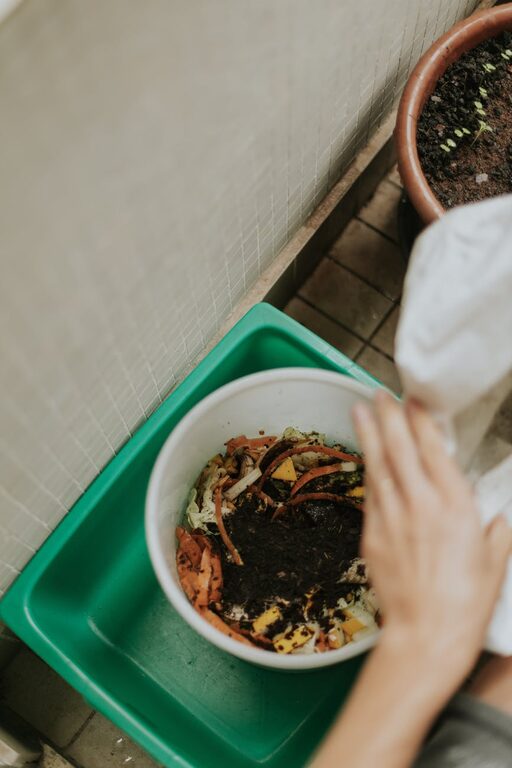
Composting is a simple way to reduce waste and create nutrient-rich soil that benefits your garden. If you’re new to composting, this guide will help you get started with easy, practical tips for home composting. Whether you have a big backyard or a small balcony, composting can fit into your lifestyle and make a positive environmental impact.
What Is Composting?
Composting is the natural process of breaking down organic materials like food scraps and yard waste into humus, a nutrient-rich soil amendment. Microorganisms such as bacteria and fungi decompose the organic matter, turning it into valuable compost that improves soil health, boosts plant growth, and reduces the amount of waste sent to landfills.
Why Compost at Home?
– Reduces Waste: Composting diverts kitchen and garden waste from landfills, cutting down methane emissions.
– Improves Soil: Compost enriches soil with essential nutrients and beneficial microbes.
– Saves Money: Reduce the need to buy commercial fertilizers or soil conditioners.
– Supports Sustainable Living: Composting is an eco-friendly practice that helps conserve natural resources.
Getting Started: Choosing Your Composting Method
There are several ways to compost at home, depending on your space, time, and preferences.
Backyard Composting
If you have outdoor space, a compost bin or pile in your backyard is ideal.
– Compost Bin: Purchase or build a bin to keep compost tidy and contained.
– Compost Pile: Simply create a pile in a corner of your yard and turn it regularly.
Worm Composting (Vermicomposting)
If you live in an apartment or have limited space, vermicomposting uses worms to break down food scraps in a small bin indoors.
– Requires a container, bedding material, and red wiggler worms.
– Excellent for composting vegetable scraps and coffee grounds.
Tumbler Composting
A compost tumbler is a sealed container that can be spun to aerate materials, speeding up decomposition.
– Usually raised off the ground for easy access.
– Works well for small to medium amounts of waste.
What Can You Compost?
Knowing what to add to your compost pile or bin is key. Compostable materials fall into two categories:
Green Materials (Nitrogen-rich)
– Fruit and vegetable scraps
– Coffee grounds and filters
– Tea bags (ensure they are biodegradable)
– Fresh grass clippings
– Plant trimmings
Brown Materials (Carbon-rich)
– Dry leaves
– Straw or hay
– Shredded newspaper or cardboard (avoid glossy paper)
– Sawdust from untreated wood
– Eggshells (crushed)
What to Avoid
– Meat, fish, dairy products (attract pests and smell)
– Grease and oils
– Pet waste (can carry pathogens)
– Diseased plants
– Synthetic materials like plastics
Tips for Successful Composting
1. Balance Green and Brown Materials
Aim for roughly equal parts green and brown materials. Greens provide nitrogen, and browns add carbon, balancing the decomposition process.
2. Chop or Shred Materials
Smaller pieces break down faster. Chop vegetable scraps or shred leaves before adding them to your pile or bin.
3. Keep Your Compost Moist but Not Soaking Wet
The compost should be as damp as a wrung-out sponge. Water occasionally if it dries out, especially in hot, dry weather.
4. Turn or Aerate Regularly
Mixing your compost introduces oxygen, which speeds decomposition and helps prevent odors. For backyard piles, turning every 1-2 weeks is ideal.
5. Be Patient
Composting takes time—anywhere from a few weeks to several months depending on conditions. Finished compost looks dark, crumbly, and earthy.
Troubleshooting Common Issues
– Bad Odor: Often caused by too much green material or poor aeration. Add more brown materials and turn the pile.
– Pile Too Dry: Spray water lightly and mix to distribute moisture.
– Pests: Avoid meat and dairy; use closed bins or fine mesh covers to keep animals out.
– Slow Decomposition: Chop materials finer, ensure proper moisture, and add balanced green and brown materials.
Using Your Finished Compost
Once your compost is ready, you can:
– Mix it into garden beds to improve soil texture and fertility.
– Use it as mulch around plants to retain moisture.
– Add it to potting soil for potted plants.
– Share leftover compost with neighbors or community gardens.
Final Thoughts
Starting a compost at home is a rewarding way to reduce waste and nourish your plants naturally. With simple tools and a little guidance, you’ll soon enjoy the benefits of homemade compost. Remember, composting is a process that improves with experience, so don’t worry if your first attempts aren’t perfect. Happy composting!