How to Keep a Tidy Fridge and Pantry for a More Organized Kitchen
Keeping your fridge and pantry tidy might seem like a never-ending task, but with a few thoughtful habits and organizational tricks, you can maintain an orderly kitchen space. A well-organized fridge and pantry make it easier to find ingredients, reduce food waste, and ensure a healthier, more efficient cooking environment. In this post, we’ll walk you through practical tips to keep your fridge and pantry neat and functional.
Why Is It Important to Keep Your Fridge and Pantry Tidy?
Before diving into the how, it’s worth understanding the benefits:
– Reduces food waste: You’re less likely to forget or overlook items that expire.
– Saves money: Avoid buying duplicates of items you already have.
– Streamlines cooking: Easily locate ingredients and plan meals quickly.
– Promotes cleanliness: Prevents cross-contamination and spoilage.
How to Organize Your Fridge
1. Start with a Clean Slate
Before organizing, take everything out of your fridge. This allows you to:
– Toss expired or spoiled items.
– Wipe down shelves and drawers with a mild cleaning solution.
– Air out any lingering odors.
2. Group Similar Items Together
Designate areas for different types of food to make things easy to find:
– Top shelves: Ready-to-eat foods like leftovers, dairy, and drinks.
– Middle shelves: Foods that require even temperature, such as eggs and deli meats.
– Bottom shelves: Raw meat, fish, and poultry—store in leak-proof containers to prevent drips.
– Drawers: Use for fruits and vegetables. Some fridges have humidity controls here; adjust accordingly.
– Door compartments: Condiments, sauces, and drinks. Avoid storing eggs or milk here since it is warmest.
3. Use Clear Containers and Labels
Using transparent containers or bins helps you see what you have at a glance. Label containers with contents and expiration dates. This reduces food waste and keeps your fridge tidy.
4. Keep a Fridge Inventory List
Maintain a small whiteboard or note inside the fridge door with a list of what’s inside. Update it weekly to ensure you use perishable items before they expire.
5. Don’t Overcrowd
Allow air to circulate by avoiding stuffing your fridge too full. Proper airflow keeps your food fresh longer.
How to Organize Your Pantry
1. Empty and Sort
Like the fridge, start by emptying your pantry completely. Discard expired items and group the rest by category:
– Grains and pasta
– Canned goods
– Baking supplies
– Snacks
– Spices and seasonings
2. Use Storage Containers
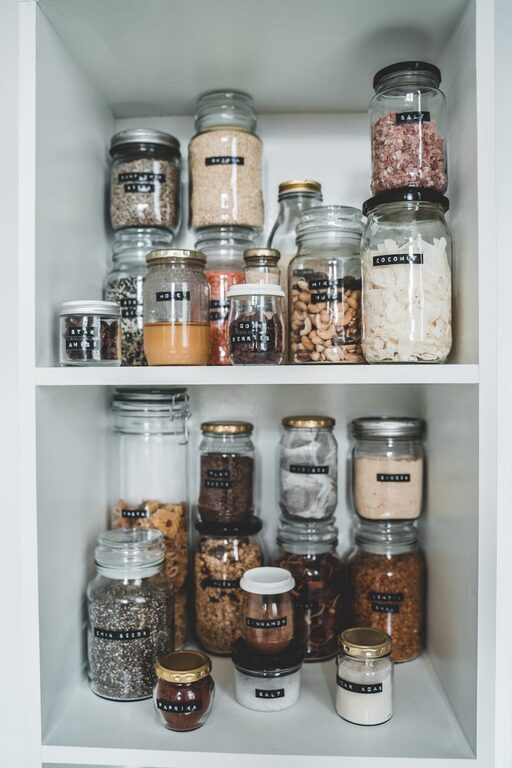
Transfer loose items like flour, sugar, and cereal into airtight containers. This keeps food fresh and prevents pests. Clear containers also make it easy to monitor levels.
3. Label Everything
Labels can clarify what’s inside each container and avoid confusion. You can use a label maker, chalkboard labels, or simple masking tape with clear writing.
4. Utilize Shelf Organizers
Shelf risers, lazy Susans, and baskets can help maximize space and keep smaller items contained. Place frequently used items at eye level for easy access.
5. Arrange by Frequency and Type
Keep your most-used items at the front or in accessible spots. Store rarely used ingredients on higher or lower shelves.
6. Check and Rotate Stock Regularly
Adopt a habit of periodically reviewing your pantry stock. Move older items to the front to use those first and avoid expiration.
Daily Habits to Maintain a Tidy Space
– Clean spills immediately: Wipe up messes as they happen to avoid sticky situations.
– Put items back immediately: Make a habit of returning food to their designated spot after use.
– Keep an eye on expiration dates: Plan meals around ingredients nearing their expiration.
– Store leftovers properly: Use clear containers and label with dates.
Bonus Tips for Success
– Use stackable containers to save space.
– Avoid buying excessive amounts unless you have space.
– Consider a rotating bin for perishable fruits or vegetables.
– Keep a shopping list handy to prevent impulse buys that overcrowd your spaces.
Conclusion
Organizing and maintaining a tidy fridge and pantry isn’t just about aesthetics. It’s about creating a kitchen environment that supports healthy eating, reduces waste, and saves you time. By following these strategies and making small, consistent efforts, your kitchen spaces will remain orderly and enjoyable to use every day.
Happy organizing!